The brain is incredibly complex, and so is brain injury recovery. Brain injuries can occur in several ways: a traumatic injury such as a blow to the head, a hypoxic injury in which the brain experiences a damaging lack of oxygen, or even a stroke, where blood flow in the brain is compromised. Regardless of the cause, a brain injury disrupts critical functions such as movement, speech, memory, and emotional regulation.
A question frequently on the minds of patients and families is: “What will recovery look like over time?”
Recovery is a highly individualized process that depends on the severity and location of the injury, so it rarely follows a predictable timeline. However, there is a general phased progression of brain injury recovery.
Why Brain Injury Recovery Takes Time
Unlike most injuries, where the recovery process just entails healing damaged tissue and rebuilding strength, brain injuries mean that the patient’s brain needs to learn how to function again. But that’s one of the most amazing things about the brain, its neuroplasticity.
Neuroplasticity refers to the brain’s ability to reorganize itself and form new neural connections. This allows undamaged areas of the brain to take over functions that were previously controlled by damaged regions. The brain essentially rewires itself.
When one pathway is damaged, the brain creates new ones to restore lost abilities, but it doesn’t happen automatically. It required a few things: repetition, stimulation, and time, which is why structured rehabilitation is so important.
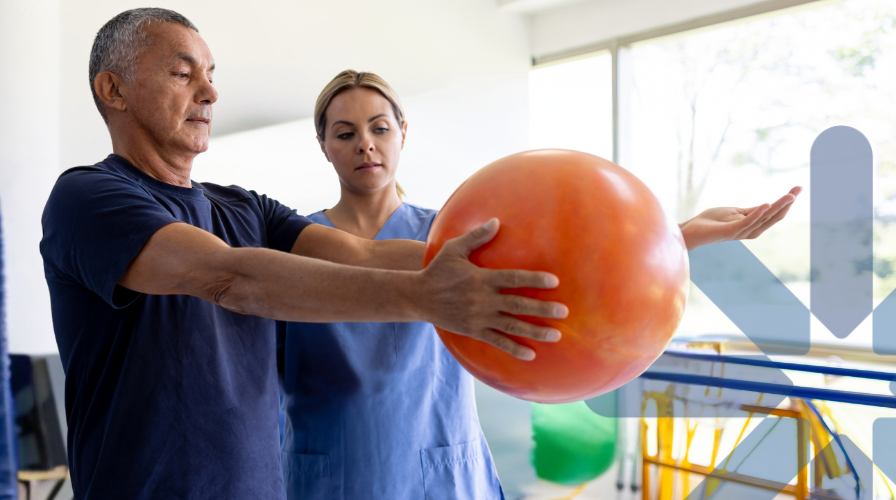
Different types of therapies, like physical, occupational, and speech therapy, are designed to activate and strengthen these new pathways. Repeating movements, practicing communication, and engaging in cognitive exercises all help reinforce the brain’s ability to adapt. Consistent, task-specific practice is one of the most important factors in functional recovery after brain injury.
Every patient’s brain injury rehabilitation journey will look different. There are a lot of factors at play that determines how quickly or how fully someone may recover:
Injury type - traumatic, ischemic, or hypoxic
Severity and location of damage
Age and overall health
How soon rehabilitation begins
Access to specialized, intensive therapy
This is why some people may see rapid improvements early on, and others will make slower progress over a longer period of time.
Stage 1: Stabilization and Initial Recovery
In the days and weeks following the injury, the priority is to stabilize the patient and prevent further damage. This usually takes place in an acute care setting like a hospital, where care teams can focus on protecting the brain from swelling or further damage, and supporting vital functions.
For people with more severe injuries, they may progress through states like a coma, vegetative state, or minimal consciousness. Once patients are mostly conscious again, they may experience:
Reduced awareness or responsiveness
Confusion and disorientation
Difficulty speaking or understanding language
Limited movement or weakness
Severe fatigue
Changes in mood or behavior
This stage can be scary for families because progress may feel difficult to recognize and recovery seems far off. But even small changes, such as opening the eyes more consistently, responding to voices, or moving a limb, are all important signs that the brain is beginning to recover.
Once patients are medically stable, rehabilitation should begin as soon as possible. Research shows that early rehabilitation is associated with improved functional outcomes and a far greeted likelihood of regaining independence. Early therapy typically includes gentle movement, positioning, and basic communication exercises designed to stimulate brain activity and maintain range of motion.
At this stage, recovery will not appear linear. Patients may have good and bad days and progress generally happens in small increments rather than dramatic breakthroughs.
Stage 2: Rehabilitation for Rebuilding Skills
Once patients are medically stable, they are typically transitioned out of an acute care setting to a rehabilitation facility. The focus then shifts to active rehabilitation where the focus is rebuilding skills, restoring function, and increasing independence.
Interdisciplinary rehabilitation is one of the most effective approaches for improving outcomes after brain injury. Rather than addressing all challenges in isolation, teams of multiple specialists work together to restore function so patients can move communicate, think, and engage with others again independently. Abilities often return in stages, and improvements may look different from week to week.
Early Rehabilitation: Basic Movement and Awareness
Early on, functional rehabilitation focuses on restoring basic physical and cognitive skills. Patients will likely still experience significant weakness, limited coordination, or reduced awareness. Functional goals include things like sitting upright without support, following simple commands, beginning to move affected limbs, and increasing alertness and engagement. If needed, swallowing and speech therapy begins during this time as well.
Therapy is often highly guided, with significant support from clinicians. Repetition is the most important thing, simple movements and tasks are practiced consistently to help the brain begin forming new connections.
Progress during this phase can vary day to day. It’s common for patients to appear more engaged one day and more fatigued or withdrawn the next. Even if things are moving slowly, these early gains lay the groundwork for more complex recovery.
Mid-Stage Rehabilitation: Building Consistency
As patients gain stability, therapy becomes more active and repetitive, focusing on increasing consistency and participation in daily activities. Sessions are often longer and more physically and cognitively demanding.
This is when you’ll see many of their skills start to come back. Physical therapy sessions focus on walking, balance, and strength. Occupational therapy will focus on daily task completion like dressing, grooming, and eating. Speech therapy targets language, memory, and cognitive exercises.
While progress is more visible at this stage, it’s still not linear. Patients may improve physically while cognitive challenges persist, or vice versa.
Advanced Rehabilitation: Refining Skills
This stage prepares the patient for life outside the hospital, with a goal of safe transition back to home. For some patients, this stage also includes learning how to use assistive devices that improve safety and mobility, like canes, orthotic devices or braces, and adaptive equipment.
Mobility training becomes more advanced so patients can navigate stairs, uneven surfaces, or walk for a longer period of time. Cognitive therapy shifts to a higher level to support multitasking, planning, and decision-making. Therapists work closely with patients to ensure confidence and greater independence.
What Families Should Expect Overall
In general, progress will vary. Patients may improve quickly, then plateau, progress in one area but not another, or have strong days followed by more difficult ones. This does not mean that recovery has stopped, it simply reflects the brain’s complex healing process.
Emotional recovery is another important, and often overlooked, aspect of brain injury recovery is emotional. Emotional ups and downs are extremely common, as are periods of frustration, anxiety, or withdrawal. Gradually, coping skills and engagement will improve.
For these reasons, support for your loved one should focus on recognizing, encouraging, and celebrating small wins. These small steps are what build toward greater progress, and nothing is more encouraging than having a support system that is cheering you on behind the scenes.
The Final Phase: Home Transition
Discharge is a major milestone, but it is not the end of recovery. This is actually just a new phase: applying skills in everyday life outside of a structured clinical environment. This transition can bring a mix of excitement and uncertainty.
Preparing for Transition
Rehabilitation teams understand that the lack of a structured environment makes it difficult to continue progress on your own, so teams usually work closely with both patients and families to ensure a safe and supported transition home.
Before discharge, patients learn skills to help them self-manage. That means learning to recognize overexertion, reinforcing the importance of routines (especially when it comes to ongoing therapy exercises), becoming proficient at using assistive devices independently, etc.
At the same time, therapy teams often work with families as well. They may do a home environment assessment to establish safety measures, train caregivers on how to move, transfer, and care for the patient, and give them education regarding medications and safety precautions.
Usually, as part of discharge planning, a cadence for outpatient sessions or home therapy is established, and families receive a comprehensive discharge packet going over everything they’ve learned during that time.
Adjusting to Life at Home
One of the most important things for families to understand is that recovery does not stop after discharge. Progress may continue for months or even years as the brain adapts and patients continue practicing skills in real-world environments.
Once home, patients begin navigating real-life situations without the constant presence of a clinical team. This is where new challenges can emerge, causing setbacks, frustration, and significant fatigue after seemingly easy, everyday activities.
As part of the patient’s support system, families can significantly ease this transition.
In the absence of a highly structured rehabilitation schedule, many patients benefit from consistent routines. Establishing a predictable rhythm for meals, therapy exercises, daily activities, and rest can help reduce overwhelm and improve follow-through. Tasks that once felt automatic may now require more time and effort. Breaking these activities into smaller steps and allowing extra time can make them more manageable and less frustrating.
Fatigue is also a common and often unexpected part of recovery. Patients may appear physically capable but become exhausted quickly, especially after cognitive or social activity. Families may notice increased tiredness, difficulty concentrating later in the day, or irritability when overstimulated. Supporting recovery during this phase often means balancing activity with rest.
Even after discharge, many patients are still actively working on the same skills introduced during rehabilitation. Practicing mobility, communication, memory strategies, and daily tasks in real-life settings helps reinforce progress. Small, repeated efforts continue to strengthen the brain’s ability to adapt over time.
As awareness improves, emotional changes may also become more noticeable. Patients may feel frustrated, discouraged, or uncertain as they adjust to changes in their abilities. Offering encouragement, celebrating small milestones, and remaining patient during difficult moments can make a meaningful difference in maintaining motivation and engagement.
Each patient’s path will look different. For some, recovery may mean returning to work or driving, but for others it may mean achieving independence in daily routines or improving communication. What matters is that progress continues to move forward, no matter how gradually.
Neurorehabilitation at Reunion Rehabilitation Hospitals
Brain injury recovery is a long road fraught with challenges and setbacks, but progress is possible at every stage with the right care, support, and consistency.
Reunion Rehabilitation Hospital’s Neurorehabilitation Program is customized to every patient to guide them through each phase of recovery all the way to their return to independence. Physicians, nurses, therapists, speech-language pathologists, and neuropsychology specialists work together to develop individualized treatment plans based on each patient’s specific needs, goals, and type of injury.
Patients participate in coordinated, intensive therapy programs focused on rebuilding mobility, communication, cognitive function, and independence in daily life. Treatment is tailored to real-world outcomes, helping patients safely transition back to home, community, and meaningful activities.
We also recognize that recovery extends beyond the patient. Our team works closely with families and caregivers, providing education, training, and ongoing support to help them feel confident in navigating each stage of the journey, including the transition home.
From early rehabilitation through long-term recovery, our goal is to help every patient achieve the highest level of independence possible, while supporting the people who are part of that journey.
More Articles